
The Real Cost of an RFI and How to Drastically Reduce It
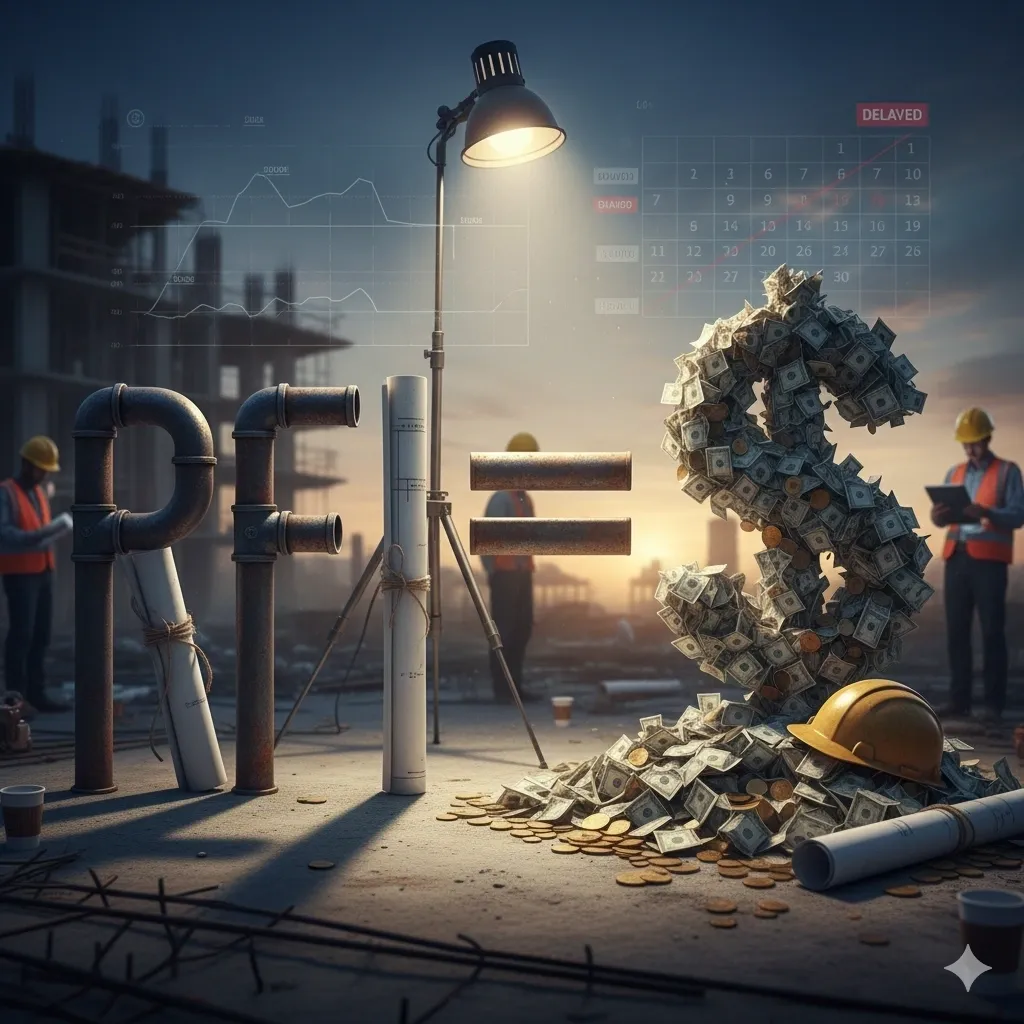
A Request for Information (RFI) is a staple of project management, particularly in the construction industry. At first glance, it seems like a straightforward, necessary tool: a formal question to clarify an ambiguity, conflict, or omission in the project’s design documents. But while they are a vital part of the process, RFIs come with a steep and often underestimated price tag. The real cost of an RFI extends far beyond the time it takes to write an email, encompassing delays, rework, and even reputational damage.
The financial impact alone is eye-opening. A widely cited study by the Navigant Construction Forum found that a single RFI can cost an average of $1,080 to review and respond to. This figure doesn’t even include the indirect costs. When you consider that a typical construction project can generate hundreds, or even thousands, of RFIs, the total cost can easily climb into the hundreds of thousands of dollars.
So, what makes an RFI so expensive?
- Labor Costs: Drafting, reviewing, and responding to an RFI consumes the valuable time of key personnel—architects, engineers, project managers, and contractors. Each minute spent on an RFI is a minute not spent on productive work, and their high hourly rates add up quickly.
- Project Delays: An unanswered RFI can bring a project to a screeching halt. A contractor cannot proceed with a certain task until they get clarification, which leads to a domino effect of delays across the entire project. This can postpone project completion, push back a grand opening, and result in significant financial penalties.
- Change Orders and Rework: If a project team proceeds with work based on an incorrect assumption, it can lead to costly mistakes that require extensive rework. A single, unresolved ambiguity in the plans can lead to a major, expensive change order down the line.
- Increased Risk and Disputes: RFIs are a critical part of risk mitigation. Without a formal, documented process, critical information might be communicated informally, leading to misunderstandings and disputes. In the worst-case scenario, this can lead to legal action and further financial and reputational damage.
The Proactive Solution: The Power of a Constructability Review
The best way to reduce the cost of RFIs is to prevent them from happening in the first place. This is where a constructability review comes in.
A constructability review is a proactive process of bringing together a project’s key stakeholders—including the owner, architect, engineer, and a seasoned contractor—to thoroughly review the design documents before construction begins. The goal is to identify and resolve potential problems, conflicts, and missing information while they are still on paper.
Here’s how a constructability review works to drastically reduce RFIs:
- Catching Design Conflicts: Design documents can sometimes have conflicting information—for example, a structural beam placed in the same location as a ventilation duct. A constructability review brings together experts from different disciplines to identify these clashes, allowing the design to be corrected before any physical work starts.
- Identifying Missing Information: Designs can be incomplete, lacking key details like the specific type of bolt for a steel connection or the exact dimensions for a complex facade element. These gaps are major drivers of RFIs. The review ensures that all necessary information is present and clear, so the field team has everything they need to proceed without interruption.
- Ensuring Practicality: A design might be theoretically perfect but impossible or impractical to build. An experienced builder on the review team would immediately spot an issue like a piece of equipment that’s too large to be installed in its designated space or a design that violates local building codes. Addressing these issues in the pre-construction phase avoids RFIs and potential rework.
- Improving Communication: The review process itself fosters better communication and collaboration. By having face-to-face discussions about the project’s nuances, the entire team gains a shared understanding of the goals and potential challenges, resolving issues in a collaborative setting rather than through formal, time-consuming RFIs.
While a constructability review may feel like an added expense at the beginning of a project, it’s a small investment that can yield massive returns. By investing the time and effort upfront to identify and resolve potential issues, you can prevent project delays, avoid costly rework, and create a smoother, more efficient construction process for all parties involved. In the end, a constructability review doesn’t just reduce the number of RFIs—it builds a better, more successful project.