
Integrating Constructability Reviews Into Your Project Workflow
In the world of project management, efficiency, cost-effectiveness, and timely delivery are the holy trinity. Yet, all too often, projects encounter unexpected hurdles during the construction phase – issues that could have been avoided with a bit of foresight. This is where constructability reviews come into play.
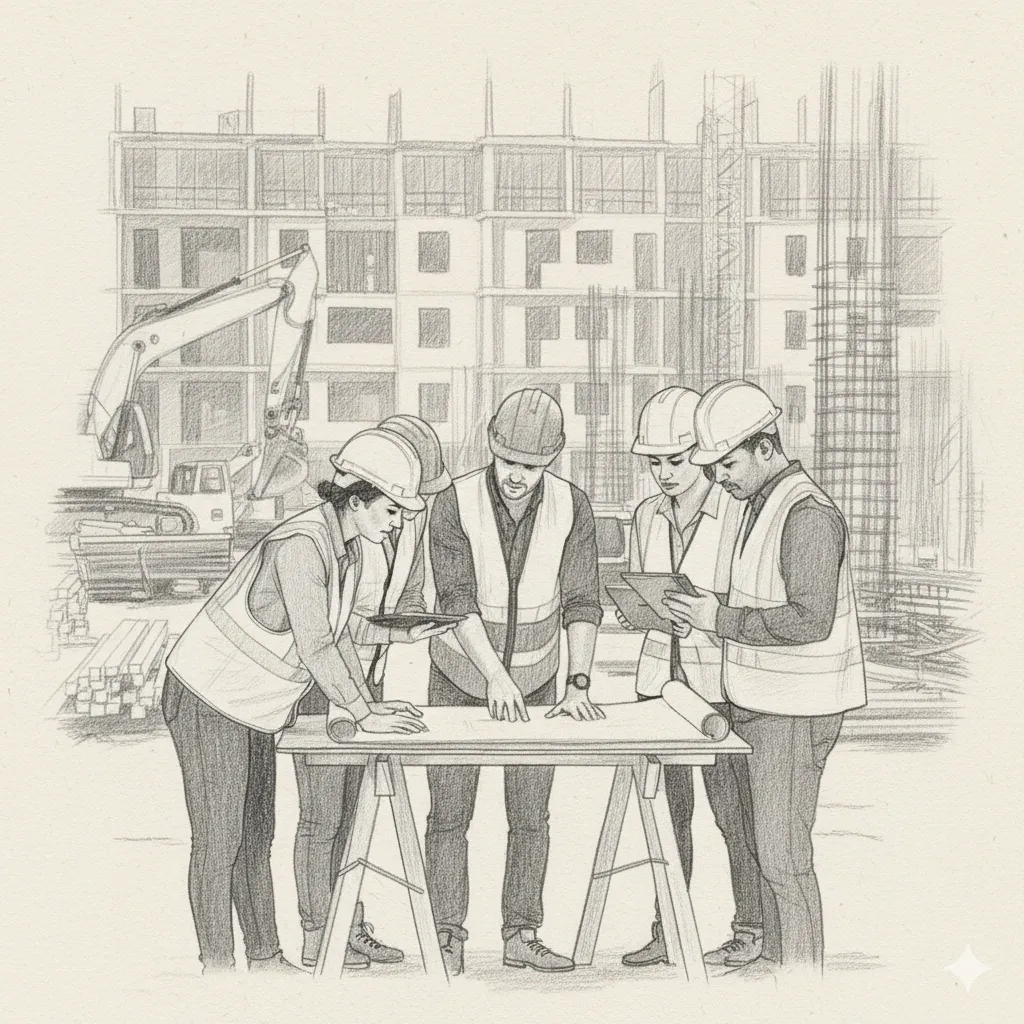
A constructability review is a project management technique that assesses the ease and efficiency of construction before a project breaks ground. It involves bringing together experienced construction professionals to scrutinize design documents, identifying potential problems, suggesting alternative solutions, and ultimately optimizing the entire construction process.
Integrating constructability reviews isn’t just a good idea; it’s a strategic move that can save significant time, money, and headaches down the line. Here’s a step-by-step guide to seamlessly weave these invaluable reviews into your project workflow.
Step 1: Establish Clear Goals and Objectives
Before you even schedule the first review meeting, define what you want to achieve. Are you aiming to reduce construction costs by a certain percentage? Minimize schedule delays? Improve safety? Having clear, measurable goals will help focus the review team and provide a benchmark for success.
Step 2: Assemble the Right Team
A successful constructability review hinges on the expertise of its participants. Your team should ideally include:
- Designers/Engineers: To provide context and respond to suggestions.
- Project Managers: To oversee the process and integrate findings.
- Construction Managers/Superintendents: With practical field experience.
- Specialty Contractors: For specific trades (e.g., HVAC, electrical, plumbing).
- Cost Estimators: To analyze cost impacts of proposed changes.
- Safety Officers: To ensure compliance and identify potential hazards.
The diversity of perspectives is crucial for a comprehensive review.
Step 3: Define the Review Stages
Constructability reviews shouldn’t be a one-time event. They are most effective when integrated at key milestones throughout the design process:
- Conceptual/Schematic Design Phase: Focus on major systems, site logistics, and overall feasibility.
- Design Development Phase: Dive deeper into material selections, structural systems, and coordination between disciplines.
- Construction Documents Phase: Scrutinize details, specifications, and potential clashes.
This iterative approach allows for adjustments before problems become too costly to fix.
Step 4: Develop a Standardized Checklist and Reporting System
To ensure consistency and thoroughness, create a checklist that guides the review team through critical areas such as:
- Site access and logistics
- Material availability and lead times
- Construction sequencing
- Equipment requirements
- Safety considerations
- Code compliance
- Potential for rework
A standardized reporting system is equally important. It should document findings, proposed solutions, responsible parties, and action items with deadlines. This creates a clear audit trail and ensures accountability.
Step 5: Foster Open Communication and Collaboration
The success of a constructability review relies heavily on open and honest communication. Encourage all team members to voice their concerns, no matter how minor they seem. Designers should be open to feedback, and construction professionals should articulate their suggestions clearly and constructively. Facilitate an environment where collaboration is prioritized over blame.
Step 6: Integrate Findings into Design Documents
The insights gained from a constructability review are only valuable if they are acted upon. Ensure there’s a clear process for incorporating approved suggestions and changes into the design documents. This might involve revised drawings, updated specifications, or new details. Timely integration prevents costly changes later on.
Step 7: Continuous Improvement and Lessons Learned
After each project, conduct a post-project review to evaluate the effectiveness of your constructability process. What worked well? What could be improved? Document lessons learned and update your checklists and procedures accordingly. This commitment to continuous improvement will refine your process and yield even greater benefits on future projects.
The Payoff
While integrating constructability reviews requires an upfront investment of time and resources, the return on investment is substantial. By identifying and resolving potential issues early, you can expect:
- Reduced construction costs
- Shorter project schedules
- Improved safety records
- Higher quality deliverables
- Fewer change orders and disputes
- Enhanced team collaboration
Embracing constructability reviews isn’t just about avoiding problems; it’s about proactively building success into every project you undertake. Start integrating them today, and watch your projects transform from concept to completion with greater efficiency and fewer surprises.