
How a Constructability Review Solves Most Problems
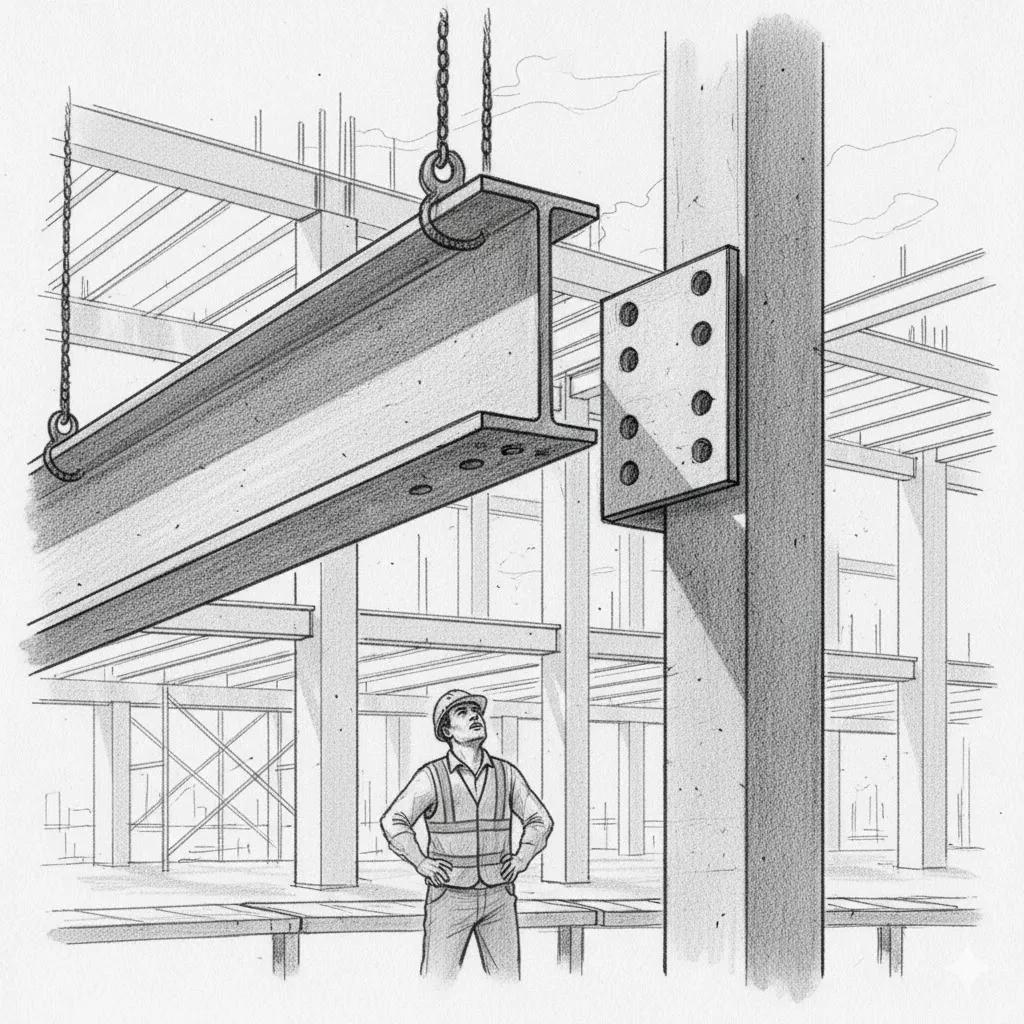
The world of construction is a high-stakes game. Projects are complex, timelines are tight, and budgets are often stretched to their limits. It’s a field where Murphy’s Law seems to be a constant presence—if something can go wrong, it probably will. From unforeseen site conditions to design clashes and costly rework, the list of potential problems is long and intimidating.
But what if there was a way to proactively address a significant portion of these issues before they ever manifest on site? What if you could build a project on paper first, identifying and resolving problems in a low-risk environment?
Enter the constructability review.
A constructability review is a systematic and comprehensive process of evaluating a project’s design documents—plans, specifications, and drawings—to ensure the project can be built efficiently, safely, and economically. It’s not just a quick check; it’s a deep dive into the practical realities of construction. And here’s why it’s the single most powerful tool for solving most construction problems.
1. It Catches Design Clashes Before They Become Field Nightmares
One of the most common and costly problems on a construction site is a design clash. This occurs when two different building systems—like a mechanical duct and a structural beam, or electrical conduits and plumbing pipes—are designed to occupy the same space. In the field, this discovery leads to a cascade of problems:
- Rework: Crews must stop work, and the design must be revised.
- Delays: Work is halted, causing schedule slippage.
- Cost Overruns: Labor and materials are wasted, and expedited shipping may be needed for revised components.
A thorough constructability review, particularly one using Building Information Modeling (BIM), identifies these clashes digitally. Resolving them in the design phase is a simple matter of a few clicks and a revised drawing. On-site, it would involve jackhammers, welding torches, and a lot of frustrated phone calls.
2. It Optimizes for Construction Efficiency
A design might be architecturally brilliant, but is it the most efficient way to build? A constructability review brings the contractor’s practical expertise to the table. They can identify opportunities to:
- Use standardized materials: Opting for common sizes and types of materials reduces lead times and costs.
- Simplify sequences: Adjusting the order of operations can create a smoother workflow and reduce crane time or site congestion.
- Improve logistics: Reviewing site access, laydown areas, and material delivery points can prevent bottlenecks and improve safety.
This isn’t about compromising the design’s vision. It’s about achieving that vision in the most streamlined, cost-effective way possible.
3. It Mitigates Unforeseen Site Conditions
While you can’t predict every single thing that will happen, a good constructability review uses a project’s known data—geotechnical reports, surveys, and existing utility maps—to anticipate potential issues. A contractor might look at the soil report and recommend a different foundation system, or spot a discrepancy in the utility map that could lead to a major excavation problem. By catching these issues early, the project team can develop a plan to address them, rather than being caught by surprise.
4. It Creates Better, More Comprehensive Bidding Documents
A project with unclear or incomplete design documents is a recipe for disaster. Contractors are forced to make assumptions, which often leads to two outcomes:
- High Bids: Contractors add significant contingencies to their bids to cover the unknown risks, inflating the project cost.
- Change Orders: Once the project starts, the inevitable gaps in the design lead to a flurry of costly change orders, creating budget and schedule uncertainty.
A constructability review ensures the design documents are clear, coordinated, and comprehensive. This allows contractors to submit more accurate, competitive bids, leading to a more predictable project from the start.
5. It Fosters Collaboration from the Beginning
Perhaps the most significant benefit of a constructability review is that it breaks down the traditional silos between designer and builder. It forces a collaborative dialogue where both parties contribute their unique expertise. The architect’s vision is married with the contractor’s practical knowledge, leading to a smarter, more resilient project plan. This early collaboration builds trust and a shared understanding, which is invaluable when unexpected challenges inevitably arise during construction.
The Bottom Line
A constructability review is not a luxury; it’s a necessity. It’s an investment that pays for itself many times over by preventing costly rework, avoiding delays, and mitigating risks. By putting in the effort to “build it on paper” first, you’re not just solving problems—you’re building a foundation for a successful, on-budget, and on-schedule project. It’s the secret weapon that every project team should have in their arsenal.