
Construction Headaches: More Than ‘The Cost of Doing Business’
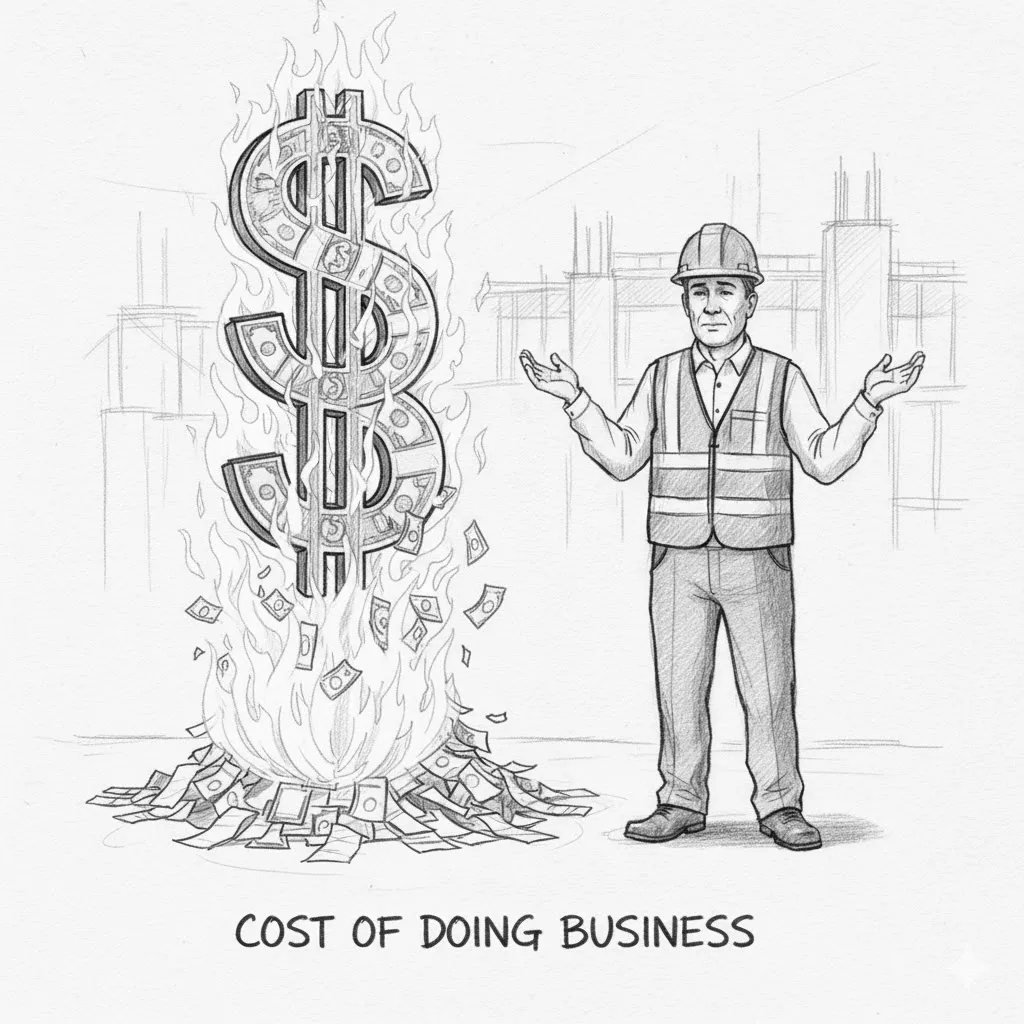
It’s a common refrain in the construction world: delays, cost overruns, and rework are simply part of the game—the unavoidable “cost of doing business.” This mindset, however, is a dangerous one. It normalizes inefficiencies and masks a deeper issue: a lack of upfront planning and proper review. While it’s true that construction projects inherently carry risks, treating systemic problems as mere overhead costs prevents teams from seeking out and implementing solutions that could save significant time and money.
When construction issues—such as design conflicts, sequencing errors, or material clashes—are perceived as inevitable, they become accepted budget lines and schedule buffers. This complacency means the industry often operates below its potential, leading to strained relationships between owners, designers, and contractors, and ultimately delivering lower-value assets.
The Hidden Toll of Accepting Inefficiency
The real cost of this “cost of doing business” mentality extends far beyond a slightly inflated budget.
- Financial Strain: Rework is a massive time and money sink. Fixing something already built or partially installed due to a design conflict or an unworkable detail is exponentially more expensive than catching the error on paper. These costs reduce profit margins for contractors and erode the return on investment for owners.
- Schedule Erosion: Issues found during construction invariably lead to project delays. Each delay can trigger contractual penalties, prolong holding costs, and push back the date the facility can start generating revenue.
- Reputational Damage: Projects fraught with problems can harm a contractor’s or designer’s reputation, making it harder to secure future work.
- Safety Risks: Unplanned changes or rushed solutions on-site to resolve design issues can introduce safety hazards, putting workers at risk.
The Proactive Solution: Embracing Constructability
The antidote to accepting avoidable problems is a formal process known as Constructability Review. This isn’t just a fancy phrase for “checking the plans.” It’s a specialized, systematic process of reviewing the project design before construction begins to ensure the building can be effectively, efficiently, and safely built.
The goal of constructability is to inject real-world building experience into the design phase. It involves engaging experienced builders, superintendents, and specialty trade contractors early on to evaluate the design documents for:
- Practicality and Sequencing: Can this design element be built in the required order with the available space and equipment?
- Clash Detection: Are the structural, mechanical, electrical, and architectural elements physically interfering with each other (e.g., does a duct run directly through a required structural beam)?
- Material Handling and Logistics: Can the proposed materials be delivered, stored, and installed efficiently on the job site?
- Cost and Schedule Optimization: Are there alternative, simpler, or more common building methods that could achieve the same design intent at a lower cost or faster pace?
In short, a constructability review is not an added expense; it’s a powerful form of risk mitigation and quality assurance.
Stop accepting construction problems as inevitable. The true “cost of doing business” is not the price of rework, but the investment in smart, proactive planning that ensures a successful, on-time, and on-budget project. It’s time to normalize excellence, not inefficiency.